
Hiking the South Kaibab Trail in February: A Winter Adventure in the Grand Canyon

Updated: Jun 11
This post may contain affiliate links, meaning I receive a commission if you purchase through my links, at no extra cost to you.
Hiking the South Kaibab Trail in the Grand Canyon during February offers a unique experience that combines breathtaking views with the quiet calm of winter. I recently took on this adventure, and it was unlike any other hike I’ve done before. The cooler temperatures, the crisp air, and the stunning landscape all made for a memorable journey. Here’s a detailed account of my hike, including what I learned and tips for anyone considering this trail in winter.

Preparing for the South Kaibab Trail in February
Before setting out, I knew the conditions would be different from the busy summer months. February in the Grand Canyon means fewer crowds but also colder weather and the possibility of snow or ice. I packed layers, including a warm jacket, gloves, and a hat, along with sturdy hiking boots with good traction. Water and snacks were essential, as there are no water sources along the trail.
The trailhead starts at the South Rim, and the South Kaibab Trail is known for its steep descent and spectacular panoramic views. Since it’s a more exposed trail without much shade, the winter sun was a welcome companion rather than a harsh glare.
The Descent: Stunning Views and Steep Terrain
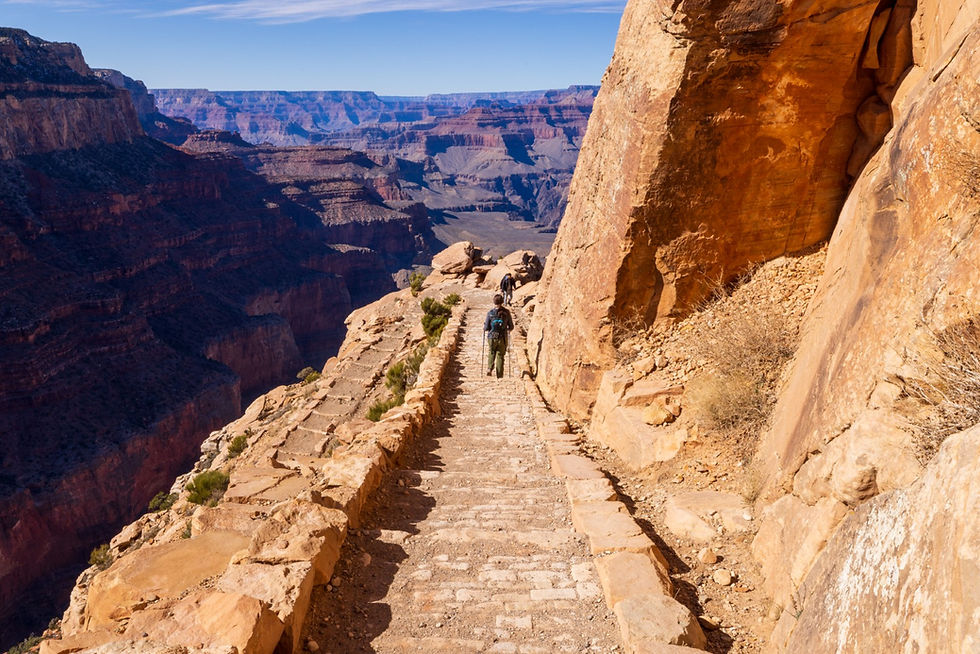
From the moment I began the hike, the views were incredible. The trail winds down sharply, offering eye-level views of the canyon’s vastness. The rock formations, layered in reds and oranges, stood out vividly against the clear winter sky.
The trail is well-maintained but steep, so I took my time to avoid slipping on any icy patches. The cooler weather made the climb easier than it would be in the summer heat, but it also meant I had to keep moving to stay warm.
Along the way, I stopped at several viewpoints, including Ooh Aah Point, which lives up to its name with breathtaking vistas. The quiet of winter added to the peacefulness, making it easier to focus on the natural beauty without distractions.

Reaching Skeleton Point and Turning Back
My original plan was just to hike down to Ooh Aah Point, about a mile from the trailhead, which is a popular turnaround point for day hikers. However, Justin insisted we could go further so we continued our descent into the canyon for another 2 miles until we reached Skeleton Point. At that point, we were chasing sunlight to get back before the sun went down.
The climb back up was challenging but manageable with frequent breaks. The winter conditions meant I had to be extra careful with footing, especially on the steeper sections. Knowing we didn't have a lot of daylight left gave me extra motivation to complete this portion of the hike quickly! This trail is said to take 4-6 hours but with this extra motivation, we managed to complete it in less than three hours!

Tips for Hiking the South Kaibab Trail in February
Dress in layers to adjust to changing temperatures
Wear boots with good traction for icy or wet spots - I love these North Face hiking boots
Crampons for additional traction in icy patches are also recommended - Yaktrax are my go-to
Carry plenty of water and high-energy snacks
Use trekking poles for stability on steep or slippery sections - these lightweight and foldable poles from Black Diamond are my favorite!
Check weather forecasts and trail conditions before your hike
Plan your turnaround point based on your fitness and daylight hours

Why Hiking in February Was Worth It
Hiking the South Kaibab Trail in February gave me a chance to experience the Grand Canyon in a quieter, more intimate way. The cooler weather made the physical challenge more comfortable, and the winter landscape added a fresh perspective to a well-known trail.
If you’re a traveler or hiker looking for a different kind of Grand Canyon adventure, consider visiting in winter. The trail’s beauty doesn’t fade with the season; it simply changes form, offering new sights and sensations.

Pin this page to start planning your trip to the Grand Canyon!


Comments