
Snorkeling Silfra Fissure in Iceland: A Once in a Lifetime Experience

When I started planning my trip to Iceland, I knew there was one experience I absolutely had to do: snorkel in the Silfra Fissure. I mean, how could I pass up the chance to snorkel in Iceland, between two continents, in some of the clearest water in the world? I had no idea exactly what to expect, but the opportunity sounded too unique to pass up, so it was one of the first excursions I booked. Continue reading to learn what makes this experience so amazing and how to prepare for this adventure yourself.
What Is the Silfra Fissure?
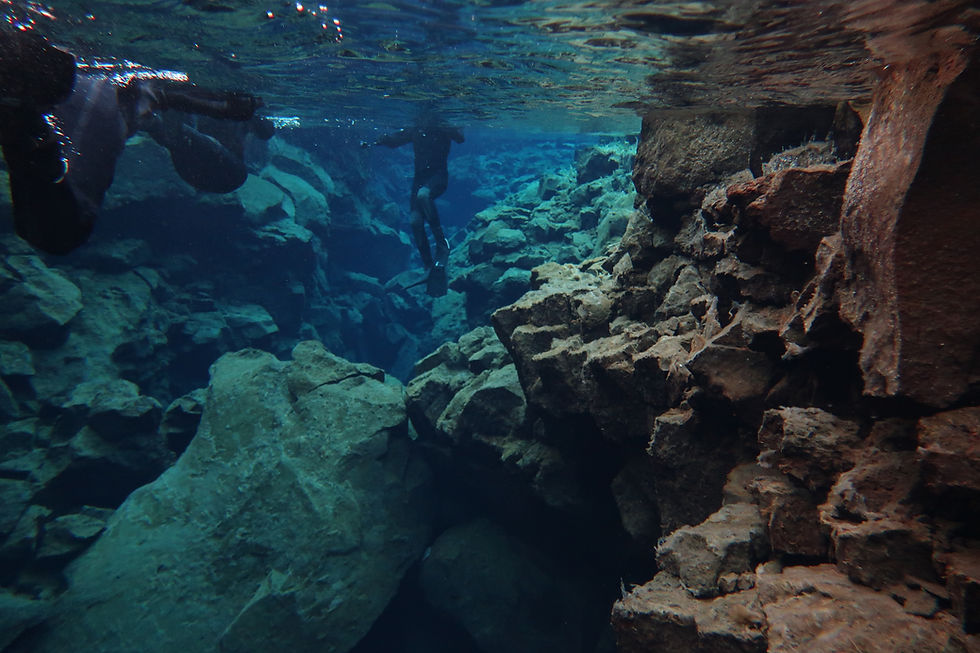
Located in Þingvellir National Park, the Silfra Fissure is a crack in the Earth created by the separation of the North American and Eurasian tectonic plates. That means when you snorkel here, you're quite literally floating between two continents! But the tectonic plates aren't the only thing that makes Silfra so unique. The fissure is filled with incredibly clear glacial water that has been filtered through underground lava rock for decades, creating some of the clearest water in the world. With visibility that can reach more than 100 meters (328 feet), the underwater landscape is every bit as impressive as the views above the surface. It's a pretty incredible combination: crystal-clear blue water, dramatic rock formations, and the chance to experience two continents at the same time.

Booking a Silfra Snorkeling Tour
There are several companies that offer this tour, but after a lot of research, I opted to go with dive.is. They had great reviews, reasonable prices, and tour dates that suited our itinerary. At the time (this was fall 2024), the tickets cost around $165 per person for a 2.5 hour tour. Since we had a car, we opted for the self drive option, but you can also select the tour option that will pick you up from Reykjavík. You must be at least 12 years old for this tour and comfortable in the water/ able to swim.
Included:
Guided snorkeling trip
All necessary snorkeling equipment
Hot chocolate and cookies after the snorkeling trip
Entrance fee into Silfra
If you choose the option with Pick Up from Reykjavík, the price includes transportation between Reykjavík and Silfra
What to bring:
Long underwear
Thick socks
Suitable clothes for the weather of the day
Contact lenses if you wear glasses

Gearing Up
When we arrived for the tour, the first thing that hit me was how odd it felt to be preparing for snorkeling in cold weather. Normally, snorkeling means a swimsuit, flip-flops, and maybe a rash guard. At Silfra, the process is completely different. You are standing outside in Iceland, looking at layers of gear, trying to wrap your head around the fact that you are about to get in freezing cold water on purpose.
The guides walked us through everything and started outfitting us with the gear we needed to stay warm and dry. That included drysuits, gloves, hoods, masks, fins, and all the pieces that make the experience possible.
The drysuit is the key. It is designed to keep water out, so your body stays insulated underneath. The suit seals tightly at the neck and wrists, which feels a little weird at first if you have never worn one. It is not like slipping into a wetsuit. It feels more technical, more serious, and honestly, a bit awkward as the guides had to help pull the suits over you.
There is also a lot of trust involved. You are relying on the guides to make sure everything fits correctly. You are relying on the gear to do its job. And you are relying on yourself to stay calm while wearing a lot more equipment than you would for a normal snorkel.
For the most part, the gearing-up process was smooth. The guides clearly knew what they were doing and helped everyone get suited up step by step.
Then I had a small scare.
When my hood was first put on, it felt too tight. At first, I thought I was just nervous. I figured maybe the tightness was normal, or maybe I was feeling lightheaded because I was anxious about getting into the water.
But the hood really was too tight.
I started to feel off, and luckily, one of the guides noticed what was happening before it became a bigger problem. Apparently, I was starting to turn purple. Not exactly the pre-snorkel glow I had imagined.
The guide quickly fixed the issue, and thankfully, I was okay. It was a reminder that the gear needs to fit correctly, and that speaking up matters. If something feels wrong, even if you think it might just be nerves, say something.
Once the hood issue was sorted out, I felt much better. The nerves settled down, and the excitement came back.

Into the Water
After everyone was geared up, we headed toward the water for the safety briefing. The guides explained how the snorkel would work, how to position ourselves in the water, how to maneuver with all the gear on, and what to do if we needed help. The briefing was simple but important. With all the gear on, you move differently than you would in a swimsuit. The drysuit adds buoyancy, which means you float easily, but it also means you need to relax and let the suit do its job. That was one of the biggest surprises for me. You are not really swimming hard through Silfra. You are mostly floating.

Once it was time to enter the water, we slowly made our way in. I expected the cold to shock me immediately, but with all the gear on, I couldn't really feel it. My face was exposed to the water, so there was a quick cold sensation there, but the rest of my body stayed protected.
There is something so strange about the contrast. Your brain knows you are in extremely cold water. You can see the Icelandic landscape around you. You remember how bundled up you were just minutes earlier. But inside the drysuit, you feel surprisingly comfortable. The gear looks bulky, and getting into it takes time, but once you are in the water, it all makes sense. It gives you the chance to experience Silfra without being distracted by the cold. Then you start to look around and the beauty of it all takes your breath away.

Snorkeling Between Two Continents
I had seen photos of Silfra and heard the stories from friends that had done the snorkel before going, but that still didn't fully prepare me for the real thing.
The water was so clear it almost felt like floating through air. The rocks below looked sharp and detailed, even when they were far beneath us. The blue color was intense, shifting from pale icy shades to deep, glowing blue depending on the depth and angle of the light.
I was in awe the entire time. There were no tropical fish or coral reefs, but Silfra does not need them. The beauty is in the clarity, the rock formations, and that bright blue water. It feels quiet and otherworldly. Every time I looked down, I felt like I was seeing something I could not fully explain.
One of the most amazing parts was knowing you were floating between two continents. It is not dramatic in the way people might imagine. There is no sign underwater saying, “North America on the left, Europe on the right.” You are in a narrow fissure formed by geological forces much bigger than you. You are suspended in water that has filtered through volcanic rock. You are surrounded by silence, cold, stone, and blue light.
The route itself felt calm and manageable. The guides kept the group organized, and the pace was slow enough to enjoy the view. I never felt like I had to rush. Once I got past the earlier gear scare, I could focus on the experience in front of me. We had a couple people on our tour that struggled with the flippers so the guide did spend a little extra time assisting them but that worked in our favor. We ended up getting the photos taken by the guide for free - something they normally charge for - since he wasn't able to take as many as normal while assisting them.
I also had my GoPro with me but found myself so in awe that I frequently forgot to take the pictures and videos I would have wanted.

What It's Really Like to Snorkel Silfra
Snorkeling Silfra is not a typical vacation activity, and that is exactly what makes it so memorable. It helps to go in with the right expectations.
Here is what stood out most to me.
The gear is part of the experience.
Getting dressed for Silfra takes time. The drysuit, hood, gloves, and layers can feel unusual at first, but they are what make the snorkel possible. Be patient with the process.
Speak up if something feels wrong.
My hood was too tight, and I almost brushed it off as nerves. I am so glad the guide noticed and adjusted it. If anything feels uncomfortable, too tight, or off, say something right away.
You do not need to be an expert snorkeler.
You should be comfortable in the water and able to follow instructions, but the experience is mostly floating. The drysuit helps keep you buoyant.
The cold is less scary than it sounds.
Yes, the water is cold. But with the right gear, it did not feel nearly as intense as I feared. The first touch of water on your face is chilly, then the view takes over. By the end, I only felt a slight chill in my feet and as someone who is always cold, that was something I could easily deal with.
Bring a sense of adventure.
This is not a lazy beach snorkel. It is a little weird, a little bulky, and very Icelandic. That is what makes it great.
Come prepared
You'll want to come ready with warm, comfortable base layers pay close attention to the packing instructions from your tour company. Avoid anything that will bunch up under the suit or make you uncomfortable. The better your layers feel, the more you can relax in the water.
And if you are someone who gets nervous before new experiences, give yourself a little grace. I was excited, but I also had moments of uncertainty, especially during the gear issue. The biggest thing I learned is to take my time, don't let the nerves take over, and speak up if something feels off.

Was snorkeling Silfra worth it?
Absolutely. This was one of those rare travel experiences that felt just as special in real life as it sounded when I booked it. Maybe even more so.
There was the strangeness of gearing up for snorkeling in the cold. There was the brief panic with the too-tight hood. There was the slow walk to the water, the safety briefing, and the first moment of floating in. Then there was that water, so clear and blue it barely looked real.
I kept thinking, “I am actually doing this.” I was snorkeling in Iceland. I was floating between continents. I was looking into some of the clearest water I had ever seen. That combination is hard to beat.
Silfra is not just beautiful. It is unique. Plenty of places have pretty water, but very few offer this exact mix of geology, clarity, cold, and adventure. It felt like something I could only do in Iceland, and that made it one of the easiest highlights of the trip.
If Iceland is on your travel list and you are even a little curious about snorkeling Silfra, I would say go for it. Book with a reputable guide, pay attention during the fitting, speak up if your gear feels wrong, and let yourself enjoy how unusual the whole thing is.
Some experiences are worth the nerves, the cold, and the awkward drysuit shuffle.
For me, snorkeling the Silfra Fissure was definitely one of them.


Comments