
Badlands, Bighorns & Big Views: Exploring Badlands National Park

From the moment you enter Badlands National Park, the landscape will amaze you. Towering rock formations, deep canyons, and colorful layers of sediment stretched across the horizon, creating a scene that felt more like another planet than the rolling prairies of South Dakota. As you're driving along the miles of open grassland, it's hard to believe that these rugged cliffs exist until you suddenly see them.
Whether you're driving the scenic Badlands Loop Road, hiking through the dramatic formations, or watching bison and bighorn sheep roam the prairie, there's no shortage of incredible experiences waiting around every corner. If you're planning a South Dakota road trip, Badlands National Park is a destination that deserves far more than just a quick drive-through. In this guide, I'll share the highlights from my visit, including the best overlooks, must-do hikes, helpful tips, and everything you need to know to make the most of your adventure.

About Badlands National Park
Located on the edge of our country’s Great Plains in southwestern South Dakota, Badlands National Park consists of 244,000 acres of the world's richest fossil beds, protects the largest protected mixed-grass prairie in the U.S., and houses abundant wildlife like bison and bighorn sheep.
The otherworldly landscape of the Badlands was shaped over millions of years by a combination of deposition and erosion. Layers of sediment were deposited over time, creating the colorful bands of rock you see throughout the park today. As rivers, rain, wind, and snow gradually eroded those softer layers, they carved out the steep cliffs, deep canyons, pinnacles, and spires that make the Badlands so distinctive. The landscape is still changing today, with erosion continuing to reshape these formations little by little every year.
The park is also home to an impressive variety of wildlife. Bison, bighorn sheep, pronghorn, mule deer, and prairie dogs can all be spotted throughout the park, and you may even catch a glimpse of a coyote or golden eagle. One of my favorite things about visiting the Badlands is that you never quite know what you might see around the next corner. The combination of unique geology and abundant wildlife makes the park feel much more alive than its rugged appearance might suggest.
Beyond its scenery and wildlife, the Badlands also have a fascinating human history. The area has been home to Indigenous peoples for thousands of years, and the Lakota people have long-standing cultural connections to this landscape. Today, the park protects this natural and cultural history while providing visitors with countless opportunities to explore it through scenic drives, hiking trails, overlooks, and wildlife viewing.

Driving the Badlands Loop Road
Most first time visitors to the park drive the Badlands Loop Road. While you can see a lot of wonderful features from the car, I really recommend getting out at some of the scenic points and immerse yourself in the park. What surprised me the most about the park (other than the unique landscape) is that you are allowed to go off trail here. Having explored many national parks and having stay on trail drilled into my head, it felt so weird being allowed off trail!
This 39 mile scenic drive winds through the heart of the park and will take about 1-2 hours without stops but I would allow at least a few extra hours to explore. Trust me, you will want to stop a lot to take pictures, walk around, and enjoy the beauty of the park. We found ourselves wanting to stop constantly because the landscape seemed to change around every bend. The best part is that you don't really need to plan every stop in advance. Just give yourself plenty of time, roll down the windows, and enjoy the scenery as the Badlands unfolds around you.
Some of my favorite stops include:
Big Badlands Overlook – A fantastic introduction to the dramatic landscape.
Yellow Mounds Overlook – One of the most colorful and unusual landscapes in the park.
Pinnacles Overlook – Incredible views across the jagged formations.
Panorama Point – A sweeping view across the Badlands.

Must-Do Hikes
There are a handful of established hiking trails in the park that vary from short, accessible walks to strenuous hikes. Below are the ones that I recommend prioritizing. If you have time, there are several other established tails in the park. If you are unsure which hike(s) would be best for you, stop by the Ben Reifel Visitor Center to ask for recommendations and find out about current trail conditions.
Door Trail
A great introductory trail to the park. This easy hike begins with an accessible 226-yard boardwalk leading through a break in the Badlands Wall known as “the Door” to an overlook viewing the Badlands. Beyond the boardwalk, a series of posts mark the remainder of the trail through the Badlands formations.

Window Trail
This short, accessible, boardwalk trail leads to a natural window in the Badlands Wall with a view of an intricately eroded canyon.

Notch Trail
This was my favorite trail in the park. Starting off on a trail leads through a canyon, it eventually leads to a rope ladder to bring you along a ledge in the canyon where you'll end at “the Notch” for a dramatic view of the White River Valley. Be careful of drop-offs and loose gravel.
Notch trail is NOT recommended for anyone with a fear of heights. The trail can be treacherous during and after rains. Caution is advised. Good hiking boots with ankle support are also recommended.

When hiking in the Badlands, you'll want to be prepared. Here are some tips to get you started:
Always carry water! Two quarts per person per two hour hike is recommended.
Hats, sunglasses, and sunscreen are strongly encouraged.
Weather conditions can changed rapidly so always be prepared with layers and rain gear.
Wear sturdy boots or shoes to protect your feet from cactus spines and snake bites.
Keep a distance of at least 100 feet from all wildlife encountered during your hike. If wildlife reacts to your presence at all, you are too close.
Remember that all park resources (fossils, plants, animals, artifacts, and rocks) are to remain as you find them. Leave no trace and allow other visitors to discover them as well.

Wildlife You Might See
You might think that with a name like Badlands National Park, there wouldn't be much wildlife found here, but that's definitely not the case! While the landscape may look rugged and unforgiving, the park is home to a surprisingly diverse collection of animals. In fact, keeping an eye out for wildlife can be just as exciting as admiring the dramatic rock formations. Some of the animals you might encounter include:
Bison – These massive animals can often be spotted grazing in the park's grasslands. Give them plenty of space, as they may look calm but are still wild animals.
Bighorn sheep – Keep an eye on the rocky slopes and cliffs for these incredible climbers. Their ability to navigate the steep terrain is impressive to watch.
Pronghorn – These incredibly fast animals are commonly seen roaming across the open prairie. They're especially fun to spot because they can blend into the landscape surprisingly well.
Mule deer – Often found throughout the grasslands and near the park's wooded areas, mule deer can sometimes be spotted along the roadsides.
Black-tailed prairie dogs – These little guys are some of the most entertaining wildlife in the park. You'll often find entire colonies of them popping in and out of their burrows and making their distinctive calls.
Coyotes – Although they're more elusive, coyotes can occasionally be spotted throughout the park, particularly during the quieter hours of the morning and evening.
Golden eagles and other birds of prey – Look toward the sky and cliffs for golden eagles, hawks, falcons, and other birds soaring above the Badlands.
While the geological wonders of the park are what tend to draw visitors in, the wildlife adds another layer to the experience. There's something pretty special about driving through these dramatic landscapes and suddenly spotting a bison grazing in the distance or a bighorn sheep perched on a rocky ledge. Just remember that these are wild animals, so admire them from a safe distance and never approach or feed them. One of the best parts of exploring the Badlands is never knowing what you might spot around the next bend!

What to Bring to Badlands National Park
The Badlands may be easy to explore by car, but once you step out to hike or explore, you'll quickly realize that the environment can be a little more rugged than it looks. With plenty of sun, wind, and very little shade, coming prepared can make a big difference. Here are a few things I'd recommend bringing along to make your visit more comfortable:
Plenty of water – This is probably the most important thing to bring. The dry climate and exposed trails can make you dehydrated quickly, especially in summer.
Daypack – A comfortable backpack makes it much easier to carry water, snacks, sunscreen, and extra layers.
Sturdy hiking shoes – Even some of the shorter trails can involve uneven, rocky terrain, so good footwear is worth it.
Sunscreen – There isn't much shade on many of the trails or overlooks, so protect yourself from the South Dakota sun.
Hat & sunglasses – Another must for those long stretches of exposed terrain.
Layers – Temperatures can change considerably throughout the day, and the Badlands can be surprisingly windy.
Snacks – Especially important if you plan to tackle longer hikes like the Castle Trail.
Downloaded maps – Cell service can be unreliable in parts of the park, so having offline maps is a smart idea.
Camera – Between the colorful formations, wide-open prairie, and wildlife, you'll want to have your camera ready.
Binoculars – Great for spotting bison, bighorn sheep, pronghorn, and birds without getting too close to wildlife.
Bug spray – A good seasonal addition, particularly if you're spending a lot of time hiking through the grasslands.
Full tank of gas – It's worth filling up before heading into the park so you can explore the scenic loop without worrying about your fuel level.
Don't underestimate how exposed the Badlands are. It can be tempting to think, “I'll just hop out of the car for this quick hike,” but the combination of sun, heat, wind, and limited shade can make the environment more challenging than it initially appears. Pack more water than you think you'll need and take your time. The Badlands aren't going anywhere.

Quick Tips for Visiting
No matter what you plan to do while visiting the park, a little preparedness goes a long way in ensuring that your experience is enjoyable, safe, and memorable. Parks are diverse environments that offer a variety of activities, from hiking and picnicking to birdwatching and simply enjoying the beauty of nature. To make the most of your visit, it is essential to consider a few key factors that can enhance your outing. Here are a few quick tips to keep in mind on your visit:
Go early or late in the day for cooler temperatures and beautiful light.
Don't underestimate the heat.
Give yourself more time than you think you'll need for Badlands Loop Road.
Stop at the overlooks, even if you're tempted to keep driving.
Know your hiking limits—some short trails can still be surprisingly challenging.
Keep your distance from wildlife.
Download maps ahead of time in case of limited cell service.
Check the weather before hiking since conditions can change quickly.

Best Time to Visit
Each season brings its own unique type of wonder in the park, transforming the landscape and the experiences available to visitors. From the vibrant blooms of spring to the serene stillness of winter, every time of year offers something special.
Spring: A Flourishing Awakening
In spring, the park comes alive with a burst of color as flowers begin to bloom, painting the fields and gardens with vibrant hues. Trees that were bare during the winter months sprout fresh green leaves, creating a lush canopy overhead. This season is characterized by the sweet scent of blossoms and the cheerful songs of birds returning from their winter migrations. Visitors can enjoy leisurely walks along the newly sprouted trails, participate in seasonal festivals celebrating nature’s rebirth, or simply take a moment to appreciate the beauty of new life emerging all around.
Summer: A Lively Adventure
As summer arrives, the park transforms into a hub of activity. The warm sun invites families and friends to engage in a variety of outdoor activities. Picnics on the grass, hiking through shaded trails, and swimming in nearby lakes become popular pastimes. The long days allow for extended exploration, with the sun setting later and providing ample time for evening strolls. Summer also brings a wealth of wildlife activity; visitors may spot butterflies fluttering among the flowers and hear the rustling of small animals in the underbrush. Special events, such as outdoor concerts and movie nights, often fill the park’s calendar, making it a lively gathering place for the community.
Autumn: A Tapestry of Colors
When autumn arrives, the park is enveloped in a breathtaking tapestry of colors as the leaves change from green to vibrant shades of red, orange, and gold. This season offers a picturesque backdrop for photography enthusiasts and nature lovers alike. The crisp air is invigorating, and the sound of crunching leaves underfoot adds to the sensory experience of exploring the park. Autumn is also a time for harvest festivals and seasonal celebrations, where visitors can enjoy local produce and partake in activities like hayrides and pumpkin picking. The cooler temperatures make it an ideal time for hiking, as the scenery becomes even more enchanting with the changing foliage.
Winter: A Peaceful Retreat
In winter, the park takes on a serene and tranquil quality, often blanketed in a layer of soft, white snow. This season, while colder, offers its own form of beauty and charm. The stillness of the landscape can be soothing, providing a perfect escape from the hustle and bustle of daily life. Winter activities such as snowshoeing, sledding, and ice skating on frozen ponds become popular among visitors. The bare trees, adorned with frost, create a magical atmosphere that can be enjoyed by those who venture out into the cold. Additionally, the park may host winter festivals, featuring twinkling lights and holiday-themed events that bring warmth and joy during the colder months.
Preparation for Every Season
There is no bad season in the park; each offers its own distinct experiences and beauty. However, it is essential for visitors to prepare properly for whichever season they choose to enjoy. This preparation may include dressing appropriately for the weather, ensuring that one has the right gear for specific activities, and being aware of seasonal park regulations or events. By being adequately prepared, visitors can fully immerse themselves in the wonders that each season has to offer, creating lasting memories and a deeper appreciation for nature throughout the year.
I visited the park in late May, and it turned out to be a fantastic time to explore the Badlands. The temperatures were warm enough to enjoy the trails and scenic overlooks without the intense summer heat, while the wildlife was becoming increasingly active after the long winter. Even better, the summer crowds hadn't fully arrived yet, so we could explore at a more relaxed pace without feeling like we were constantly surrounded by other visitors. The combination of comfortable weather, active wildlife, and manageable crowds made late May feel like a bit of a sweet spot for experiencing the park.

Nearby Stops
There is so much to see and do in South Dakota that it would be a shame to visit Badlands National Park and not spend a little extra time exploring the surrounding area. From iconic landmarks and underground caves to charming towns and incredible wildlife, there are plenty of adventures you can add to your itinerary. Here are a few of my favorite stops to consider:
Wall Drug – You can't road trip through this part of South Dakota without at least making a stop at the quirky and iconic Wall Drug. What started as a small-town drugstore has become a massive roadside attraction filled with shops, food, souvenirs, and plenty of oddities to explore.
Rapid City – A great home base for exploring the Black Hills, Rapid City offers restaurants, breweries, museums, and plenty of things to do. It's also conveniently located within driving distance of many of South Dakota's biggest attractions.
Custer State Park – If you love wildlife and scenic drives, don't skip Custer State Park. The park is famous for its large bison herds, dramatic granite formations, and scenic roads like Needles Highway and Wildlife Loop Road.

The Cathedral Spires in Custer State Park Mount Rushmore – One of South Dakota's most recognizable landmarks, Mount Rushmore is an obvious addition to any first-time visit to the state. Seeing the enormous presidential carvings in person is pretty impressive.
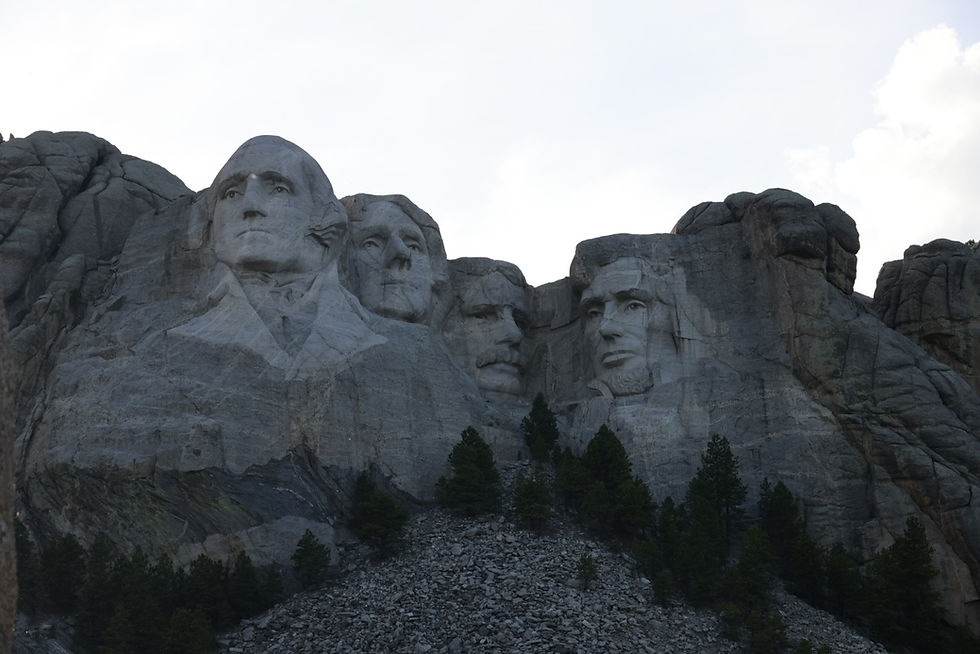
Mount Rushmore Crazy Horse Memorial – Still under construction, this enormous mountain carving is dedicated to the Lakota leader, Crazy Horse. Even if you've seen photos, its massive scale is something that's much easier to appreciate in person.
Wind Cave National Park – Venture underground to explore one of the world's longest and most complex cave systems. Above ground, the park also protects a beautiful stretch of prairie and is home to wildlife including bison, elk, and pronghorn.

Wind Cave National Park Jewel Cave National Monument – Another incredible underground adventure, Jewel Cave is known for its intricate formations and enormous network of passages. It's a great stop to pair with Wind Cave if you want to explore more of the Black Hills below the surface.
The Mammoth Site – Located in Hot Springs, The Mammoth Site is an active paleontological excavation site where you can see the remains of dozens of mammoths preserved in an ancient sinkhole. It's a particularly unique stop for anyone interested in prehistoric wildlife.
Spearfish Canyon – A beautiful scenic drive through towering limestone cliffs with waterfalls, hiking trails, and plenty of opportunities to stop and explore.
Deadwood – A historic Old West town with preserved buildings, casinos, shops, and plenty of Wild West history.

Final Thoughts
Visiting Badlands National Park was one of those experiences that reminded me just how much there is to discover in places you might not expect. Between the dramatic rock formations, endless prairie views, winding scenic roads, and wildlife around nearly every corner, there was something new to appreciate throughout the entire visit. I especially loved how easy it was to experience the park at my own pace, whether that meant pulling over for another overlook, heading out on a trail, or stopping to watch wildlife. If you're planning a South Dakota road trip, don't make the mistake of treating the Badlands as just a quick stop along the way. Give yourself time to explore, take in the scenery, and see what you discover. You might be surprised by just how memorable this rugged little corner of South Dakota can be.


Comments